You spend weeks crafting the perfect resume. You tailor your cover letter. You submit with genuine hope. Then, within hours—sometimes minutes—a generic rejection email arrives. Or worse: a rushed recruiter pitches you a role that completely misses your stated goals, simply because the title matches a keyword in your background.
It's exhausting. It makes you view recruiters as gatekeepers, not allies.
But here's what many professionals don't realize: the problem isn't the recruitment industry as a whole. It's that you're engaging with the wrong type of recruiter.
The modern hiring market is deeply split. On one side, transactional recruiters play a high-volume numbers game where candidates are treated like database entries to be matched against open requisitions. On the other side, consultative recruiters operate as strategic talent advisors and genuine career advocates.
When you don't know the difference, you risk becoming just another metric on a spreadsheet. But when you find a true career agent, you gain something rare: a professional whose success is directly tied to your long-term advancement.
Redefining the Recruiter: Transactional Gatekeepers vs. Consultative Agents
Before you can spot a consultative recruiter in the wild, you have to understand the operational incentives that dictate how they treat you. Recruiters do not work in a vacuum; their behavior is a direct reflection of how their agencies measure success.
The Transactional Gatekeeper (The Volume Game)
Transactional gatekeepers operate on speed and volume. They look at a job requisition, pull out three or four keywords, and blast their databases to find immediate matches. Because their business model depends on rapid, short-term placement metrics, they view candidates as a commodity.
If you do not fit every single bullet point on a client's job description right this second, a gatekeeper has no use for you. They won't look at your transferable skills, and they certainly won't spend time helping you shape your career narrative. You are a resume, not a person.
The Consultative Agent (The Career Advisor)
A consultative agent approaches talent acquisition from a completely different angle. Instead of focusing purely on filling an open slot, they look at the macro trajectory of your career and the long-term cultural fit of the hiring organization. These professionals act as dedicated talent partners. They take the time to advise candidates on market salary rates, identify hidden skill gaps, and build comprehensive interview strategies.
The structural variance comes down to retention and relationships. Data from industry studies, including LinkedIn’s Talent Trends reports, consistently shows that relationship-driven, consultative placements result in significantly higher one-year retention rates for employees. Why? Because the placement was built on mutual alignment rather than a rushed keyword match.
| Feature / Metric | The Transactional Gatekeeper | The Consultative Career Agent |
| Primary Focus | Immediate keyword matching & quick fills | Macro career trajectory & cultural alignment |
| Candidate View | A short-term commodity to hit quotas | A long-term professional partner |
| Communication | Occasional, reactive, and transactional | Proactive, consistent, and transparent |
| Interview Prep | Minimal (forwarding a calendar invite) | Deep dive into company culture and strategy |
| Post-Placement | Zero contact after the guarantee period | Regular check-ins to monitor career growth |
The Green Flags: 3 Signs You're Talking to a Consultative Career Agent
Now that the two archetypes are clear, let's focus on the specific behaviors that signal you are dealing with a true career advocate. If your recruiter exhibits these three signs, hang onto their contact information.
1. The Deep-Dive Discovery Call
A transactional screening call rarely lasts more than ten minutes and feels like a grocery list check-off. A consultative discovery call is entirely different. While they will verify your technical qualifications, they spend the bulk of the conversation exploring your preferred management styles, five-year goals, and non-negotiables.
In your last interview with a recruiter, did they spend more time looking at your past or asking about your future? If they asked about your ideal work environment, what motivates you, or what caused you to leave past roles, you are likely speaking with a consultative professional.
2. Radical Transparency on Compensation and Culture
Gatekeepers love to hide salary ranges or speak in incredibly vague generalities about company culture because they are afraid you will walk away from a subpar deal. A career agent gives you the facts upfront. They provide explicit breakdowns of total compensation packages, including bonuses, equity, and health benefits.
More importantly, they are honest about potential organizational bottlenecks. If a company has experienced high turnover in a specific department or is undergoing a messy restructuring, a consultative recruiter tells you beforehand so you can make an informed decision.
3. Continuous Feedback Loops
We have all experienced the frustration of giving an interview our all, only to hear absolute silence. A consultative recruiter rejects the ghosting culture. They provide constructive feedback after every single interview stage.
Even when a hiring manager decides to go in a different direction, an agent will call you to explain exactly why, helping you refine your approach for the next opportunity.
"A great recruiter doesn't just sell you on a job; they act as a mirror to your market value and a lens into a company's true internal culture." — Corporate Talent Acquisition Director
Your Initial Screen Checklist
Keep these three behaviors handy during your next initial phone conversation to quickly evaluate your recruiter:
- [ ] Did they ask about your long-term career goals, or just your availability?
- [ ] Were they completely transparent about the compensation structure and team environment?
- [ ] Did they commit to a clear timeline for providing feedback from the client?
The Red Flags: How to Spot a Transactional Gatekeeper Early
Knowing who to avoid is just as critical to saving your time and sanity as finding a great partner. Watch out for these three early warning signs.
The "Square Peg, Round Hole" Push
Have you ever told a recruiter that you are strictly looking for a remote, senior-level leadership role with a minimum salary requirement, only to have them aggressively pitch you a hybrid, mid-level individual contributor position that pays less? That is a classic transactional move. They are trying to force your resume into an open requisition to hit a submission deadline, completely ignoring your stated career goals.
The Information Vacuum
A gatekeeper rarely possesses true industry vertical expertise. When you ask them details about the team structure, why the role is open, or what success looks like in the first 90 days, they falter. They might dodge the question or repeat the exact text written on the public job posting. If they do not understand the job or the industry, they cannot advocate for your unique value to the hiring manager.
Ghosting Post-Submission
This is the ultimate tell. If a recruiter is highly communicative while formatting your resume, but suddenly vanishes the moment a hiring manager expresses a minor hesitation, you are dealing with a gatekeeper. To them, you are only valuable if you represent an immediate, effortless commission check.
Consider the contrasting experiences of two accounting professionals in a volatile market. Candidate A accepted a rushed role presented by an aggressive recruiter who brushed off questions about high department turnover. With minimal onboarding insight, Candidate A realized within four months that the corporate culture was toxic and left the company.
Conversely, Candidate B turned down two poorly aligned offers from a volume-based agency, choosing instead to wait for a vetted match from a consultative partner. That partner uncovered a role that perfectly matched Candidate B's leadership ambitions, leading to a promotion within the first year.
Shareable Quote: "If a recruiter treats you like a resume instead of a human, they will treat your career like a transaction."
The Reverse Interview: Questions to Vet Your Next Recruiter
The job search process is a two-way street. To find your career agent, you need to step into the driver's seat and run a comprehensive vetting process. When a new recruiter reaches out to you, use these targeted questions to evaluate their consultative depth.
Scripting Your Qualifying Questions
Before committing your time or signing any representation agreements, protect your career path by reviewing what to ask a hiring agency before hiring them. You can use this copy-and-paste vetting script during your next phone screen:
Plaintext
- "Why is this position open, and how long has the client been looking to fill it?"
- "What is your average placement retention rate with this specific client over the past two years?"
- "How does this role align with the industry trends you are currently seeing in the market?"
- "What specific qualities beyond the written job description will make someone successful on this team?"
A transactional recruiter will give generic answers or stumble through these questions. A consultative recruiter will answer them with deep context, immediately proving their value as an industry expert.
Setting Expectations for the Partnership
Establishing mutual respect requires setting clear communication boundaries and follow-up timelines upfront. Let your recruiter know how often you expect to be updated and what your preferred channels are, whether that is text, email, or phone calls.
A true career agent appreciates this clarity because it allows them to manage client expectations effectively. For deeper insights into building these professional bonds, check out these top tips for hiring an employment agency to maximize your partnership.
Conclusion: Building a Lifelong Partnership
The distinction between a transactional gatekeeper and a consultative recruiter is ultimately the difference between simply landing your next job and intentionally building a sustainable career. True career agents focus on deep organizational alignment, radical transparency, and long-term advocacy rather than rapid, volume-based commission cycles.
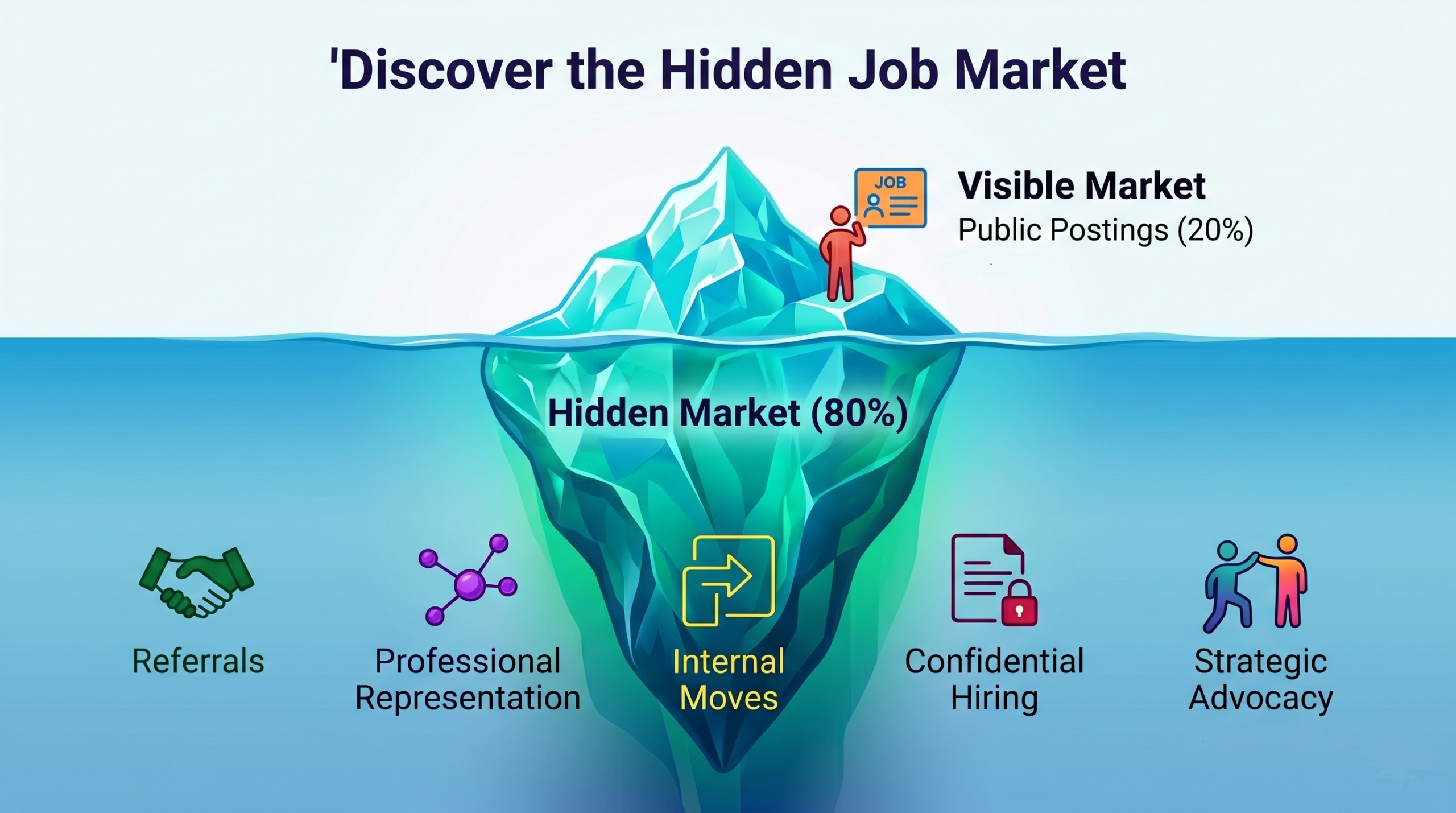
When preparing for your next professional move, taking time for intentional candidate preparation will help you stand out to high-caliber recruiters. Shifting your energy away from battling transactional gatekeepers and focusing on building high-value partnerships with consultative recruiters gives you a lifelong career advocate. They will open hidden professional doors that public job boards do not even show.
Stop navigating your career transitions in the dark. If you are ready to partner with talent experts who prioritize your long-term professional growth over a quick placement, connect with our consultative team today to discover opportunities tailored to your true market value.